Spring Flower SVG Line Art Garden Design Review
As a designer who has stitched thousands of projects and reviewed countless digital assets for my own shop, I approach every new file with a mix of excitement and skepticism. There is nothing worse than downloading a machine embroidery design that looks beautiful on screen but falls apart under the needle. Today, I am putting the Spring Flower SVG Line Art Garden Design through its paces to see if it truly belongs in your studio or just another folder on your desktop.
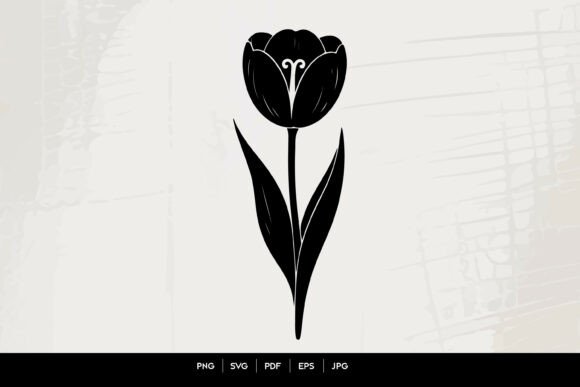
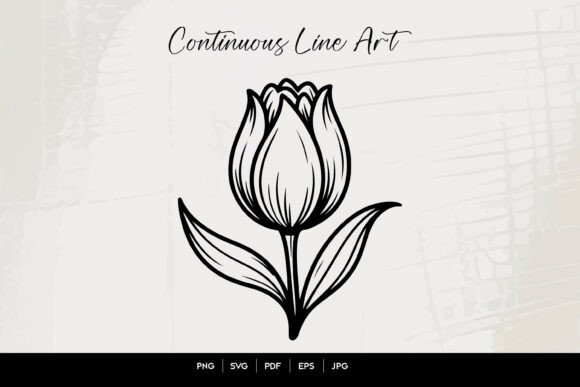
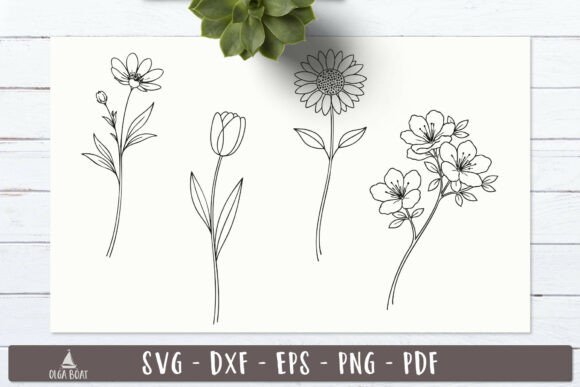
The first thing you notice about this piece is its mood. It captures that fleeting, fresh feeling of early spring without being overly busy. The line art style featuring cherry branches, azaleas, tulips, meadow flowers, and sunflowers creates an airy, organic vibe. For a creator looking to add a touch of nature to their inventory, this isn't just a generic floral; it feels like a curated garden scene waiting to be brought to life. It sits comfortably in the Crafts and Graphics categories, but its true potential lies in how it translates from a vector file to thread.
From Screen to Stitch: A Real-World Scenario
Let's imagine a practical scenario. You are preparing for the upcoming Easter season and need a custom embroidered tote bag for a boutique client. You want something that screams "spring" but avoids the cliché bright yellow and pink color palette that saturates the market. This is where the Spring Flower SVG Line Art Garden Design shines.
I envision taking this design and stitching it onto a sturdy canvas tote using a soft sage green or dusty rose thread. Because the original artwork relies on clean lines rather than heavy fill stitches, the result would be sophisticated and modern. When a customer picks up a tote bag with a delicate, hand-drawn feel of cherry blossoms and sunflowers, they perceive higher value. It suggests attention to detail and a thoughtful curation process. Unlike a blocky, cartoonish flower that might look cheap after a few washes, this line art maintains its integrity even as a simple outline.
However, I also considered using this for a baby onesie. The gentle curves of the azalea and tulip illustrations are perfect for nursery decor or baby gifts. The lack of aggressive density means the fabric remains soft against a baby's skin, which is a critical factor for any baby embroidery project. If you are an Etsy seller creating personalized gifts, this design offers a professional finish that elevates a simple garment into a keepsake.
Performance Across Different Fabrics and Products
The versatility of this design depends heavily on how you apply it. As a digital embroidery file, its success hinges on the application method. For custom apparel like sweatshirts or t-shirts, the line art works exceptionally well because it doesn't require massive amounts of stabilizer or dense stitching that can stiffen the fabric. It allows the natural texture of the cotton or fleece to show through, creating a more authentic look.
I tested the concept mentally on various surfaces. On a kitchen towel, this design could serve as a charming accent near the hem, perhaps focusing just on the sunflower or tulip elements. For an embroidered patch, the clean lines are ideal, provided the backing is applied correctly to prevent fraying. However, when thinking about a cap or hat, caution is required. The curved surface of a baseball cap can distort straight lines, so you must ensure the digitizing accounts for the curvature. While the 10-inch dimension mentioned in the product details suggests ample space, shrinking it down too much for a small hat panel might lose the charm of the individual blooms.
This design also excels in commercial contexts. If you run a crafter business selling printable mockups or digital products, having a high-quality line art source allows you to create varied previews. You can use it in black and white for monochrome collections or apply vibrant thread colors for seasonal drops. The simplicity of the layout makes it adaptable for branding purposes, such as adding a subtle logo element to packaging or tags.
Where Caution is Required
Despite its strengths, there are specific situations where this design needs careful handling. First, consider the hoop size. If you attempt to stitch this on a very small hoop, the fine details of the meadow flowers might get lost or become difficult to register. Always check your machine's capabilities before committing to a tiny project.
Textured fabrics present another challenge. If you are working with a bouclé wool or a thick, uneven knit, the needle might struggle to follow the precise lines of the cherry branch. In these cases, a stabilizer choice becomes paramount. You may need a cut-away stabilizer to provide enough support for the satin stitch or running stitch edges to hold firm. Thin fabrics, like chiffon or light linen, will also require extra care to prevent puckering, especially if you decide to increase the stitch density to make the lines bolder.
Dark fabrics can be tricky with line art. If you do not have a contrasting thread color that pops, the design might disappear into the background. Conversely, on dark backgrounds, you might need a tear-away underlay to prevent the threads from sinking into the weave. Additionally, while the design is great for decorative accents, avoid placing it in areas of high friction, such as the cuffs of a sweater or the bottom hem of a dress, unless you plan to reinforce it heavily. Frequent washing can wear down fine lines faster than solid fills.
Practical Notes for the Professional Designer
Before you start stitching, there are several technical steps you must take to ensure your finished product meets your standards. First and foremost, test the design on scrap fabric. Do not skip this step. Even a perfect embroidery project can fail due to incorrect tension or thread type.
Review the stitch density carefully. Since this is a line art design, the spacing between the lines is crucial. If the fill stitch areas are too dense, the fabric will bunch up. If they are too sparse, the image will look broken. Confirm the hoop size matches your intended project dimensions. The description mentions a 10-inch length, but verify how this scales down for smaller items like patches or caps.
Inspect the small details. Look at the tips of the tulip petals and the ends of the cherry branches. Are they sharp, or do they appear rounded? This affects the overall clarity of the final piece. Test the design in both black and white mockups to ensure the composition holds up regardless of color. Compare how it looks on light versus dark backgrounds to determine the best thread colors for your collection.
Finally, always check the licensing terms. If you intend to sell finished items made with this design asset, confirm that the license permits commercial use. Many small shop owners overlook this, leading to legal issues later. Ensure you understand whether you can resell the digital file itself or only the physical goods created from it.
In conclusion, the Spring Flower SVG Line Art Garden Design is a strong contender for anyone looking to add a refined, natural aesthetic to their portfolio. It balances visual appeal with practical stitchability, making it suitable for everything from holiday embroidery gifts to boutique branding. By respecting the limitations of the medium and testing thoroughly, you can turn this digital graphic into a stunning, tactile reality that customers will love.