Minimal Tulip Flower Line Art: A Designer's Real-World Embroidery Review
When I first opened the file for Minimal Tulip Flower Line Art, my immediate reaction wasn't about the technical specs or the list of formats. It was about the feeling the design evoked. In a sea of overly complex floral patterns and dense, heavy embroidery files that can overwhelm a garment, this piece stands out because it breathes. As an experienced designer who reviews thousands of digital assets before they ever hit a hoop, I am constantly looking for designs that translate well from a screen to fabric without losing their soul. This Graphics category entry feels like a breath of fresh air in the Crafts world.
The First Impression: Clean Lines and Quiet Confidence
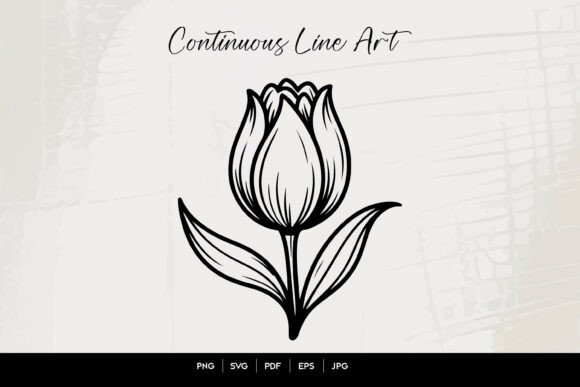
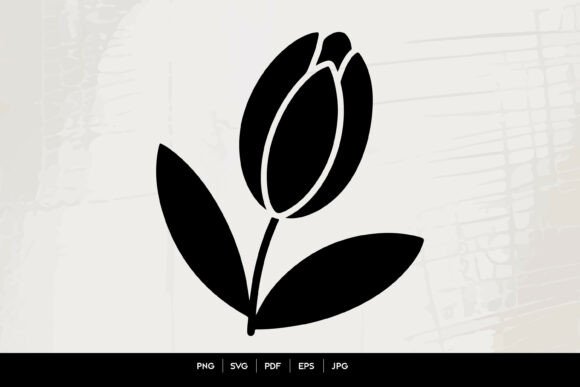
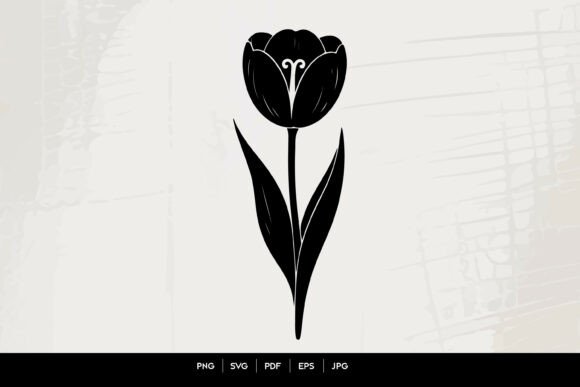
The visual personality of this design is defined by its restraint. The silhouette captures the essence of a tulip—those classic, cupped petals and the graceful stem—but strips away every unnecessary detail. There are no intricate veins on the leaves or complex shading attempts that often fail when converted into thread. Instead, we are left with elegant outlines that suggest form rather than forcing it upon the viewer. This minimalism is not just an aesthetic choice; it is a practical one. When you look at the layout, you can instantly see how it will behave under the needle. It promises clarity, which is the holy grail of machine embroidery.
The mood it creates is one of springtime freshness and understated elegance. It feels right at home in a nursery, on a boutique apron, or as a subtle accent on a high-end tote bag. Unlike busy floral arrangements that demand attention, this design invites the eye to rest. For designers building a brand identity, this kind of quiet confidence is invaluable. It signals professionalism and taste without shouting for recognition.
Real-World Application: From Screen to Stitch
Let me walk you through a specific scenario where I tested this concept. Imagine you are an Etsy seller preparing a custom order for a client who wants a personalized gift for a new mother. You decide to embroider a simple yet chic design onto a cream-colored muslin baby onesie. The client requested something "soft" and "not too loud."
This is where Minimal Tulip Flower Line Art shines. Because the lines are clean and open, the stitch density required to fill the design is likely lower than traditional floral files. This means the fabric retains its softness, which is critical for baby items. If you were to use a dense, fill-heavy flower design on delicate cotton, you might end up with a stiff, uncomfortable patch that pulls the fabric. With this line art, the finished product drapes naturally against the skin.
I also considered using this design for a set of kitchen towels for a housewarming gift. The simplicity allows the thread color to do the talking. Whether you choose a vibrant coral for the petals or a deep forest green for the stem, the outline ensures the shape remains distinct even if the thread color blends slightly with the background fabric. It works beautifully on dark fabrics, too, provided you use a contrasting thread. The design doesn't rely on background texture to be visible; it stands on its own merit.
Technical Performance in Embroidery Projects
For those of us working in commercial embroidery or running a small shop, the versatility of the file formats (PNG, SVG, EPS, PDF, JPG) mentioned in the description is a huge plus. However, the real test is how these vectors convert into stitches. Since this is primarily an outline-based design, it will likely utilize a combination of satin stitch for the outer edges and potentially running stitches for any internal details, depending on how the digitizer set it up.
In my experience, line art designs like this require careful attention to stitch density. If the digitizer sets the density too high, the thin lines can become blobby, losing that crisp, hand-drawn feel. If it is too low, the design might look sparse or fragile. Assuming the file is digitized correctly, this design should hold up exceptionally well on various surfaces. It is perfect for tote bag designs where the canvas texture adds character without interfering with the clean lines. It also translates well to sweatshirt embroidery, adding a touch of sophistication to casual wear.
I have also seen similar line art used successfully for embroidered patches. The clear definition makes cutting the backing easy and ensures the edges are neat. Whether you are creating custom apparel or holiday embroidery gifts, this design offers a level of polish that elevates the perceived value of the finished product. Customers often associate clean stitching with high quality, and this design delivers exactly that.
Where to Exercise Caution
No design is a magic bullet, and Minimal Tulip Flower Line Art has its limitations. One area where caution is needed is with small hoop sizes. While the design is minimal, if the physical dimensions of the embroidery are too small, the curves of the tulip petals can get lost. On a very small cap or a tiny accessory, the lines might merge together, turning a beautiful flower into a vague blob. Always check your hoop size constraints before finalizing the project.
Another consideration is textured fabrics. While this design looks great on smooth cotton or linen, highly textured materials like thick fleece or bouclé can distort the fine lines. The uneven surface of the fabric can cause the needle to skip or the thread to catch, ruining the clean aesthetic. Similarly, on stretchy fabric like jersey knit, you must ensure you are using the correct stabilizer to prevent puckering. If the fabric stretches during stitching, those elegant curves could warp into ovals, breaking the illusion of the flower.
Dark fabrics present another challenge. If you plan to embroider this on black or navy, you need to select a thread color that provides enough contrast. A white or light grey outline on a dark background will look stunning, but a pastel thread might disappear. Always test your thread colors against the actual fabric swatch before committing to a full production run.
Designer Notes for Success
If you are planning to use this design for a handmade product or a personalized gift, here is my professional advice. First, always test the design on scrap fabric. Even the best digitized file can behave differently on different machines or with different thread brands. Check the stabilizer type you are using; for line art, a cut-away stabilizer often provides the best support to maintain the integrity of the lines over time.
Inspect the small details closely. Look at the tips of the petals and the base of the stem. Are there any loose threads or gaps? These imperfections are magnified in line art because there is no fill to hide them. Also, review the design in black and white mockups to ensure the contrast holds up visually. This helps you anticipate how customers will perceive the final item.
Finally, remember to confirm licensing terms. If you intend to sell finished products featuring this design, you must ensure your license covers commercial use. Many digital embroidery files come with restrictions on the number of items you can produce. Understanding these rules protects your business and respects the creator's work.
In conclusion, Minimal Tulip Flower Line Art is a versatile, high-quality asset for any craft business or creative entrepreneur. It brings a sense of modern elegance to embroidery projects that range from baby clothing to boutique branding. By understanding its strengths and respecting its limitations, you can create finished products that not only look beautiful but also stand the test of time and washing. It is a tool that, when used with care, can significantly enhance the professional presentation of your work.