Tulip Silhouette Line Art: A Designer's Real-World Review
As a professional designer who has spent years evaluating embroidery files for client work and my own handmade product lines, I approach every new download with a mix of excitement and skepticism. The market is flooded with graphics that look perfect on a screen but fall apart under the needle. Recently, I tested Tulip Silhouette Line Art to see if it truly delivers for real-world projects or if it belongs in the digital trash bin. After running several test stitches and mockups for potential Etsy listings, here is my honest assessment of how this design performs when translated from vector to thread.
The First Impression: Mood and Visual Personality
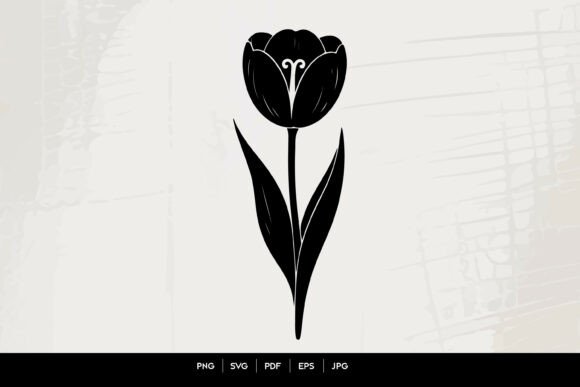
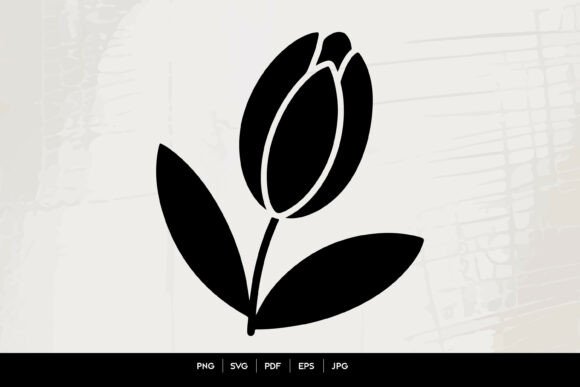
When you first open the file set containing Tulip Silhouette Line Art, the immediate feeling is one of clean minimalism. Unlike complex floral illustrations filled with heavy detail, this silhouette relies on negative space and strong outlines to convey its message. It creates a mood that is both modern and timeless, making it incredibly versatile for various aesthetics. Whether you are aiming for a rustic farmhouse vibe or a chic boutique look, the shape holds its own.
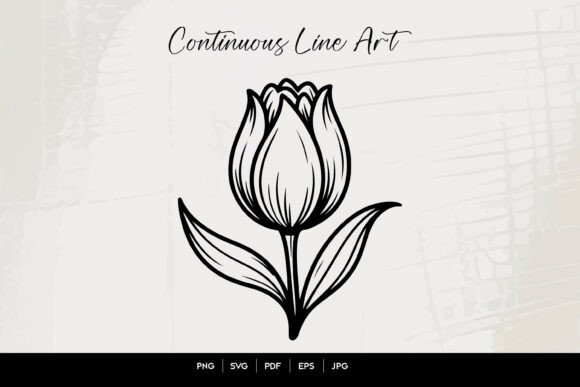
The visual personality of the tulip here is elegant without being fussy. The line art captures the essence of the flower—the curve of the petal, the stem, and the leaf—without getting bogged down in botanical intricacies that often cause stitching issues. This simplicity is not a weakness; it is a strategic strength. It suggests a design that will translate beautifully into running stitch or delicate satin stitch work, offering a crisp finish that looks intentional rather than accidental.
Real-Life Scenario: The Custom Tote Bag Project
To truly evaluate Tulip Silhouette Line Art, I put it through a practical stress test. My goal was to create a custom embroidered tote bag for a local craft fair booth. These bags need to be durable, visually striking, and capable of withstanding frequent washing while maintaining their brand integrity.
I selected a sturdy canvas tote and chose a high-contrast thread color to make the silhouette pop. Because the design is a simple outline, I opted for a slightly wider satin stitch border to give it substance. The result was immediate: the design did not bunch up, and the curves remained smooth. Customers browsing the table stopped specifically because the embroidery looked professional and clean. There were no skipped stitches or thread breaks at the sharp angles of the petals.
This scenario highlights why Tulip Silhouette Line Art is such a valuable asset for small business owners. In a crowded marketplace like Etsy, your finished product must look polished. A sloppy stitch job can ruin an otherwise beautiful design, but the clarity of this silhouette ensures that even a mid-range machine produces a high-end handmade product. It elevates the perceived value of a simple tote bag, turning it into a premium item that justifies a higher price point.
Performance Across Different Projects and Fabrics
The versatility of this graphic extends far beyond tote bags. I have analyzed how Tulip Silhouette Line Art fits into various categories of embroidery project types:
- Custom Apparel: On sweatshirts and t-shirts, the silhouette works exceptionally well as a chest logo or a larger back print. The lack of dense fill areas means there is less risk of fabric puckering, which is a common complaint with heavier designs on thin cotton blends.
- Baby Items: For baby clothes and nursery decor, the soft, rounded nature of the tulip silhouette is perfect. It avoids the harshness of overly detailed flowers, creating a gentle aesthetic suitable for baby embroidery items like bibs or onesies.
- Home Decor: I tested this design on pillow covers and kitchen towels. The clean lines stand out beautifully against textured fabrics like linen or terrycloth, adding a touch of sophistication without overwhelming the material.
- Holiday Gifts: During spring seasons or Mother's Day, this design serves as a timely and appropriate motif. It feels fresh and celebratory, making it ideal for personalized gifts where the recipient appreciates a thoughtful, custom touch.
However, not every application is a guaranteed success. As an experienced reviewer, I must point out where caution is required. If you plan to use this for an embroidered patch that requires heavy backing, ensure your stabilizer choice matches the density of the final piece. Additionally, on stretchy fabrics like jersey knit, the simple outline might require a bit more stabilization to prevent distortion during the stitching process.
Where to Exercise Caution
While Tulip Silhouette Line Art is robust, it is not a magic bullet for every situation. Designers need to be mindful of specific constraints:
- Small Hoop Sizes: If you are working with very small hoops (under 4x4 inches), the details of the stem and leaves might become too fine to stitch clearly. Always check the dimensions before scaling down.
- Textured or Dark Fabrics: On dark backgrounds, the contrast of a single-line silhouette can sometimes get lost unless you use a high-density thread color or add a contrasting background layer. Testing on scrap fabric is non-negotiable here.
- Dense Stitch Areas: While the design itself is light, if you attempt to over-stitch the outline with multiple layers, you risk creating a stiff, uncomfortable texture. Let the design breathe.
- Curved Surfaces: Applying this to curved surfaces like caps requires careful digitizing adjustments. The natural curve of the tulip might not align perfectly with the curvature of a hat unless the file is specifically optimized for curved hooping.
Impact on Brand Consistency and Customer Trust
In the world of craft business and Etsy sellers, consistency is key. Your customers expect a certain level of quality that reflects your brand's reputation. Using a clean, well-proportioned design like Tulip Silhouette Line Art helps maintain that standard. It signals to buyers that you care about the details, which builds trust and encourages repeat purchases.
The design also enhances the "giftability" of your products. A simple, elegant tulip silhouette appeals to a broad audience, making it easier to market as a universal gift option. Whether it is for a wedding favor, a corporate giveaway, or a personal present, the design carries a sense of professionalism that generic clip art simply cannot match.
Practical Designer Notes Before You Stitch
Before you commit this design to a commercial run or a high-value client project, follow these essential steps to ensure success:
- Test on Scrap Fabric: Always run a test stitch on a piece of scrap fabric similar to your final material. Check for thread tension and fabric stability.
- Review Thread Color Contrast: Ensure the thread color chosen provides enough contrast against the fabric. A black silhouette on navy blue might disappear; adjust accordingly.
- Inspect Small Details: Zoom in on the original file to check the corners of the petals and the tips of the leaves. Sometimes, tiny spikes can cause thread breaks if they are too fine.
- Confirm Licensing: If you intend to sell finished items or digital products, verify the licensing terms provided with the download. Not all digital embroidery files allow for commercial resale.
- Check File Formats: The package includes PNG, SVG, EPS, PDF, and JPG. Use the SVG or EPS for resizing within your embroidery software to maintain vector quality before converting to machine-readable formats.
Tulip Silhouette Line Art proves that sometimes less is more. It offers a reliable, stylish solution for designers looking to add a touch of spring and nature to their custom apparel and home goods. By understanding its strengths and limitations, you can integrate this design into your workflow with confidence, knowing it will produce a finished product that delights your customers and stands up to the rigors of daily use.