Tulip Flower Line Art: A Designer's Real-World Embroidery Review
When I first opened the Tulip Flower Line Art file, my immediate reaction wasn't about the technical specs or the list of included formats. It was about the mood. As a designer who spends hours evaluating embroidery files for client projects and personal handmade goods, I know that the difference between a design that looks like a digital sticker and one that feels truly stitched comes down to line weight, negative space, and flow. This particular piece strikes a balance that is often hard to find in modern graphics.
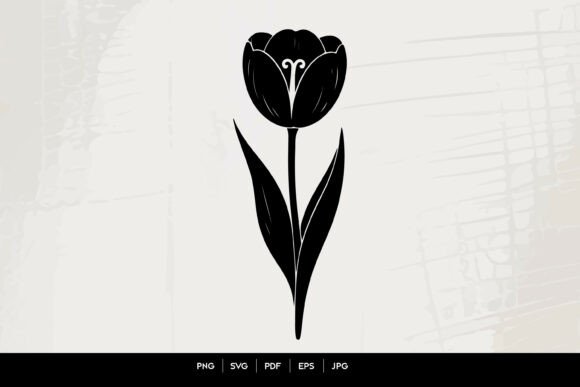
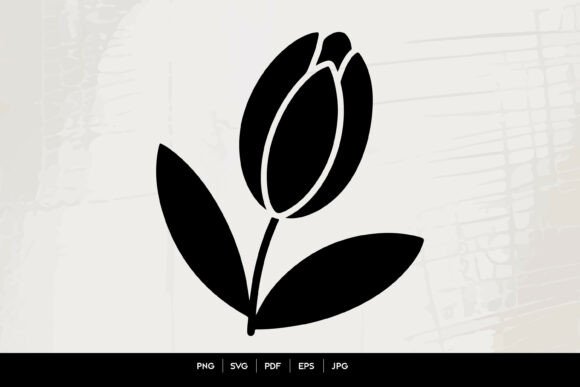
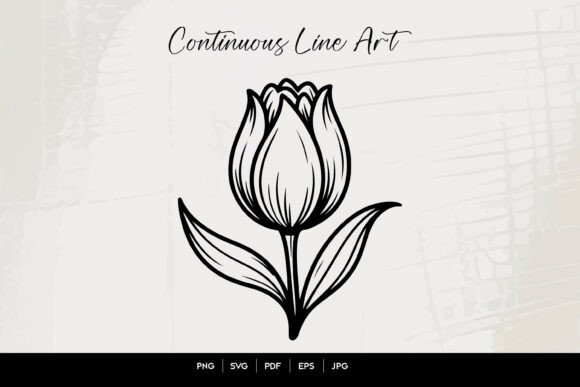
The visual personality of Tulip Flower Line Art is undeniably elegant and minimal. It avoids the cluttered, overly detailed look that can get lost when converted into thread. Instead, it relies on clean strokes to define the petals, leaves, and stems. For an embroidery designer, this is a breath of fresh air. The simplicity suggests a design that will hold up well under the tension of stitching, offering a romantic yet contemporary feel that fits perfectly into current trends for spring garden aesthetics and botanical nursery decor.
From Digital File to Finished Tote Bag
To really understand how this design performs, I had to imagine it in a real-world scenario rather than just looking at a preview. Let's say you are preparing a custom embroidered tote bag for a local craft fair or a boutique shop. You need something that screams "handmade" but maintains a high level of professionalism. If I were to use Tulip Flower Line Art on a canvas tote, the line work would translate beautifully into satin stitches or a fine running stitch outline.
Unlike dense fill patterns that can make fabric stiff and heavy, this line art approach allows the texture of the canvas to show through slightly, adding character to the finished product. When customers see a tote with this specific design, they aren't just seeing a flower; they are seeing a deliberate choice of style. The clean lines suggest sophistication, making it an ideal choice for small business merchandise, personalized gifts, or even as part of a larger branding effort for a floral studio. The versatility here is key; it works equally well on a sweatshirt for a casual gift or a pillow cover for home decor.
Performance Across Different Fabrics and Projects
One of the most critical aspects of any machine embroidery design is how it interacts with different materials. Tulip Flower Line Art has a distinct advantage because its reliance on outlines means it is less prone to puckering than complex fill designs. This makes it a strong candidate for stretchy fabrics like jersey t-shirts or fitted baby clothes, provided the stabilizer is chosen correctly. The design doesn't demand a massive amount of thread coverage, which reduces the risk of distortion on delicate knits.
However, context matters immensely. If you are planning to use this for an embroidered patch intended for a denim jacket, the line art might need a backing or a slight adjustment in density to ensure durability during wear. For custom apparel like aprons or kitchen towels, the design shines. The crisp edges of the tulip stem and petal create a sharp contrast against textured cotton or linen, enhancing the visual appeal without overwhelming the garment. It is particularly effective for holiday embroidery projects, such as creating festive accents on seasonal linens or wrapping tags.
For those selling on platforms like Etsy, this design serves as excellent design assets. The clean aesthetic translates well into printable mockups, allowing you to showcase your products in a way that highlights the elegance of the stitching. Whether you are creating a series of matching items—a set of tea towels, a baby blanket, and a cap—the consistent line style of Tulip Flower Line Art ensures brand consistency across your entire collection.
Where to Exercise Caution
Even the best embroidery file has limitations. While Tulip Flower Line Art is versatile, there are specific situations where you should proceed with care. If you are working with very small hoop sizes, the details of the leaf veins or the curve of the stem might become too fine to stitch clearly. In these cases, the design might lose definition, resulting in a muddy appearance rather than a crisp line.
Textured fabrics also present a challenge. On a heavily textured boucle or a thick fleece, the fine lines of the tulip may get lost in the weave of the material. Similarly, if you are attempting to embroider on dark fabric without using a high-density underlay or a contrasting thread color, the subtlety of the line art could disappear. It is crucial to test the design on scrap fabric first to ensure the thread colors provide enough contrast against the background. Additionally, while the design is great for flat surfaces like tote bags and pillow covers, applying it to curved surfaces like caps requires careful digitizing adjustments to account for the curvature of the hat.
Practical Notes for the Embroidery Designer
Before you commit this design to a commercial project or start selling finished items, there are several practical steps every designer should take. First, always review the stitch density. Even though this is a line art design, the way the software interprets the curves can affect the final look. Ensure that the satin stitch or running stitch settings are optimized to prevent thread breaks or gaps in the line.
Check your hoop size requirements carefully. If the design includes tiny lettering or intricate corners, verify that your machine can handle the resolution without compromising the integrity of the fabric. It is also wise to inspect the small details in black and white mockups to see how the design holds up without the distraction of color. This helps in understanding the true structure of the embroidery.
Don't forget the importance of proper stabilizer usage. Since Tulip Flower Line Art relies on clean lines, a poor choice of stabilizer can lead to shifting, ruining the symmetry of the flower. For commercial embroidery projects, confirm the licensing terms before selling the finished product. Some files allow for personal use only, while others permit commercial sales of physical goods. Always double-check the digital embroidery file documentation to avoid legal issues.
Finally, consider the end-user experience. A well-executed embroidery project using this design should feel durable and high-quality. Customers expect their personalized gifts to withstand washing and wear. By testing the design thoroughly and selecting the right threads and fabrics, you ensure that the finished product reflects the elegance of the original artwork. Whether you are a hobbyist looking to upgrade your craft business or a seasoned pro expanding your portfolio, Tulip Flower Line Art offers a solid foundation for creating beautiful, functional, and marketable items.