Reviewing Flower Card Floral Greeting Postcard_23 for Real Embroidery
As a designer who spends hours testing digital assets before they ever hit the hoop, I approach every new download with a mix of excitement and skepticism. Today, I am putting Flower Card Floral Greeting Postcard_23 through its paces to see if it truly belongs in a professional workflow or if it is just another generic graphic gathering dust on your hard drive. This isn't about the marketing copy; it is about how this design actually performs when stitched into a finished product.
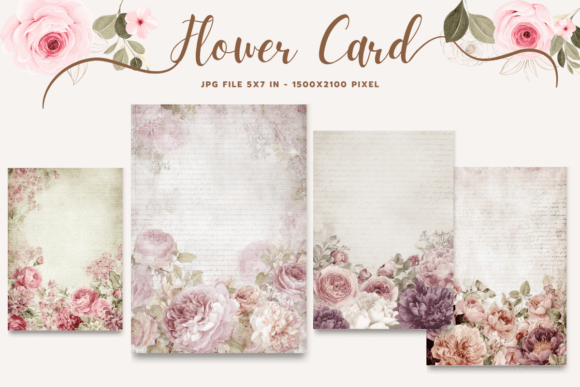
The first thing you notice with Flower Card Floral Greeting Postcard_23 is the mood. It feels nostalgic yet fresh, capturing that specific charm of a vintage greeting card but modernized enough for today's boutique market. The layout suggests a central floral motif framed by elegant typography, creating a balanced composition that screams "personalized gift." For an embroidery designer, this visual personality is crucial because it dictates where the design fits best. It naturally belongs on soft goods like tote bags, aprons, and nursery decor, where the message is as important as the image itself.
From Screen to Stitch: A Real-World Scenario
Let me walk you through a real-life scenario. Imagine you are an Etsy seller preparing inventory for the upcoming holiday season. You need a high-quality item that looks handmade but can be produced efficiently. You decide to create custom embroidered tea towels or small pillow covers featuring a floral theme. This is where Flower Card Floral Greeting Postcard_23 becomes interesting.
Because this listing provides high-resolution JPG files rather than a vector SVG, the process requires a bit more intention. You must resize the file to fit the exact size of your substrate before importing it into your digitizing software or using it as a guide for placement. When I tested a mockup of this design on a linen tea towel, the visual weight held up beautifully. The floral elements didn't look cramped, and the spacing allowed the fabric texture to show through, which adds a layer of authenticity that customers love.
However, there is a catch. Since this is a raster image (JPG) and not a native machine embroidery file, you cannot simply press "stitch" without further steps. If you are using this as a reference for hand embroidery, it is perfect. If you intend to use it for machine embroidery, you will likely need to trace the outlines or import the image as a template to digitize the stitches yourself. This distinction is vital for anyone looking to sell finished products commercially. The value here lies in the artistic concept, not the pre-digitized code.
Where This Design Shines in Commercial Projects
Flower Card Floral Greeting Postcard_23 excels in projects that require a warm, inviting aesthetic. It is an ideal candidate for baby clothes, where the soft floral theme translates well to onesies and burp cloths. The design's balance makes it versatile enough for sweatshirt embroidery on the chest or back, provided the scale is adjusted correctly.
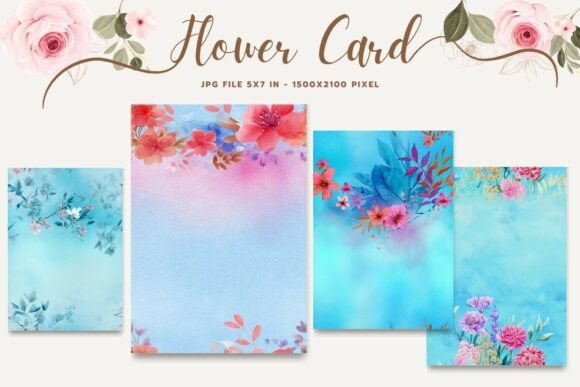
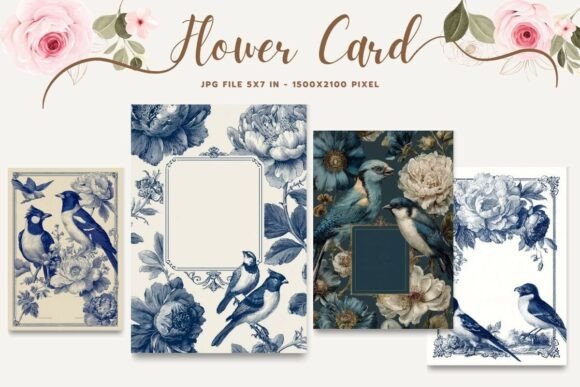
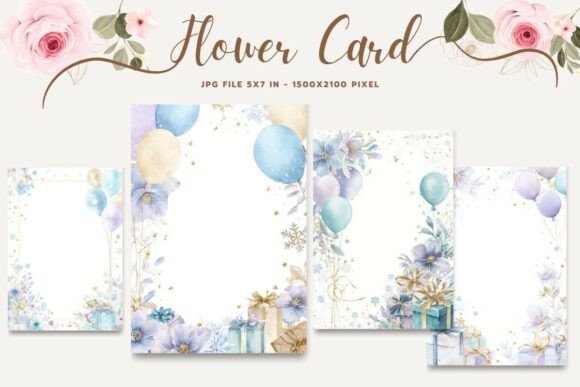
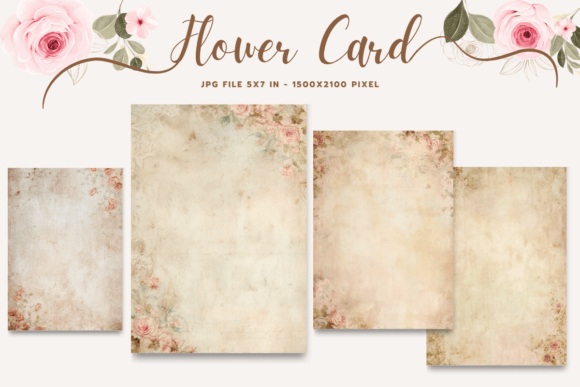
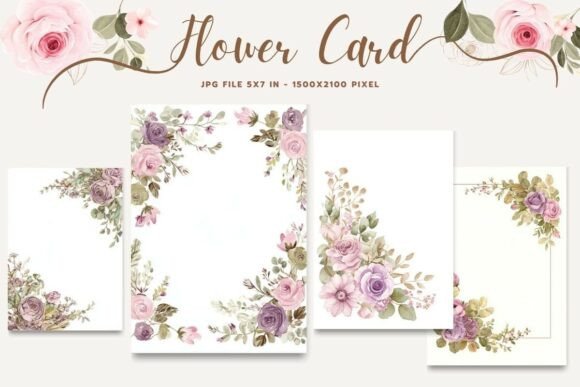
For craft business owners, this asset is particularly useful for creating printable mockups. Even before you stitch anything, you can place this high-resolution image onto digital templates of tote bags or patches to showcase your designs to clients. The clarity of the 4 JPG files ensures that your digital previews look professional, helping to build trust with buyers who want to see exactly what they are purchasing. It serves as excellent design assets for branding a small shop, offering a cohesive look across various small shop products.
I also see potential in using this for holiday gifts. The "greeting postcard" vibe aligns perfectly with Christmas stockings, New Year's aprons, or Valentine's Day cards. The floral theme is timeless, meaning it won't feel dated next year, making it a smart investment for a craft business looking to maintain a consistent brand identity.
Critical Considerations for Machine Embroidery
While the visual appeal is strong, we must address the technical realities of turning this graphic into a physical object. Because you are working with a JPG, the level of detail you can achieve depends entirely on how you digitize it. If you attempt to stitch dense fill areas based on a raster image without adjusting the stitch density, you risk puckering the fabric.
This design should be used carefully on small hoop sizes. The intricate corners of the floral elements might get lost if the design is too small relative to the thread thickness. Similarly, textured fabrics like heavy canvas or boucle can obscure the finer details of the flower petals. On stretchy fabrics like jersey t-shirts, you must ensure proper stabilizer usage to prevent distortion, as the design has a structured layout that does not forgive movement.
If you plan to embroider this on dark fabric, thread color contrast becomes a major factor. The light tones in the original image may require multiple layers of stitching or a white underlay to pop against black or navy backgrounds. Without careful planning, the design could appear muddy or flat. Also, avoid using this for tiny lettering on caps unless you have a very fine needle and high-density setup; curved surfaces often distort text, and the current layout relies heavily on clear typography.
Practical Designer Notes for Execution
Before you commit to a full production run, there are several non-negotiable steps to take with Flower Card Floral Greeting Postcard_23. First, always test the design on scrap fabric. This allows you to check how the thread colors interact with your specific material and whether the stitch density creates unwanted bulk.
Inspect the small details closely. In a JPG, some lines might be jagged or pixelated at certain zoom levels. Trace these elements carefully in your digitizing software to ensure smooth satin stitches and clean running stitches. Review the stitch density settings; if the fill is too tight, the fabric will pucker, ruining the handmade product feel. Confirm your hoop size early on to ensure the entire design fits comfortably without cutting off edges.
It is also wise to test the design in black and white mockups. Sometimes, a colorful image looks great on screen but loses definition when converted to grayscale. Comparing light and dark fabric backgrounds will give you a realistic idea of how the final finished product will perform. Use a proper stabilizer appropriate for your fabric type—cut-away for stability on garments and tear-away for lighter items like pillow covers.
Finally, verify the licensing terms. Since this is a digital download, you need to know if you are allowed to sell the finished embroidered items. Many designers assume all graphics are commercial-ready, but this varies by creator. Check the documentation to confirm whether you can use Flower Card Floral Greeting Postcard_23 for commercial embroidery projects or if it is limited to personal use only.
Final Verdict on Visual Appeal and Value
Ultimately, Flower Card Floral Greeting Postcard_23 offers a strong foundation for creative entrepreneurs who understand the difference between a graphic file and a digitized embroidery pattern. It brings a sense of professionalism and thoughtfulness to any project, from a simple tote bag design to a complex embroidered patch. The visual personality is distinct, making it easy to recognize and associate with quality craftsmanship.
When used correctly, this design elevates the perceived value of your work. Customers appreciate the attention to detail and the cohesive look that comes from well-executed embroidery projects. It fosters customer trust because the result looks intentional and polished. Whether you are a hobbyist making a personalized gift or a seasoned Etsy seller scaling your custom apparel line, this asset has the potential to become a staple in your collection.
Just remember that the magic happens in the execution. With the right preparation, careful digitization, and attention to fabric choices, Flower Card Floral Greeting Postcard_23 can transform from a simple image into a treasured piece of art. It is a practical choice for those willing to put in the extra effort to bridge the gap between digital graphics and tactile reality.