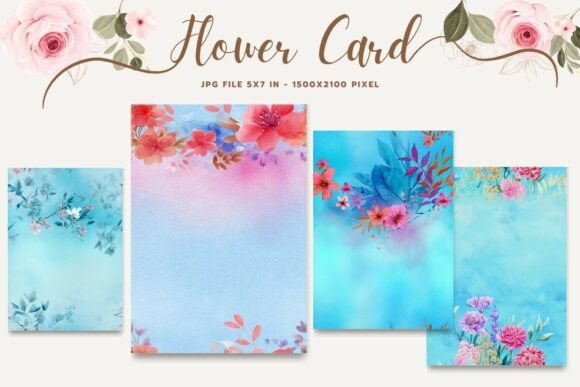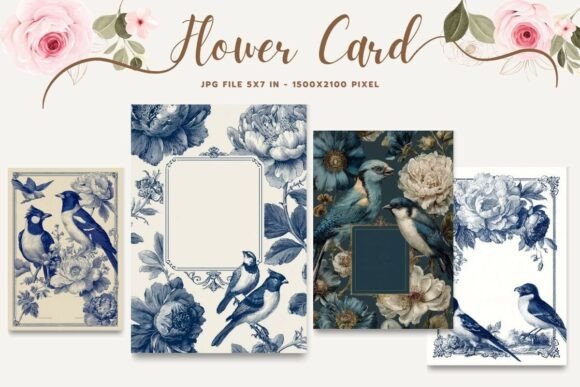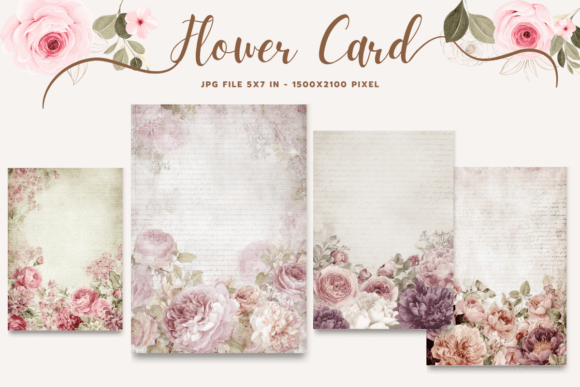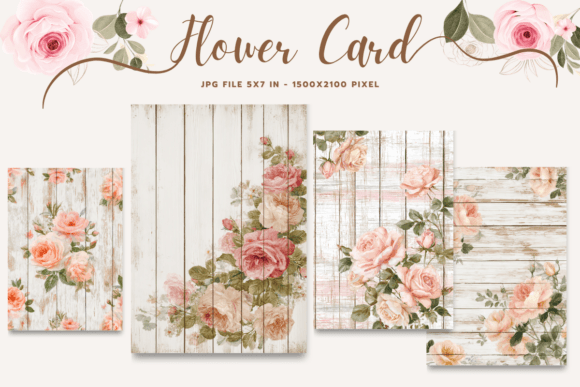
Flower Card Floral Greeting Postcard_24 Embroidery Review
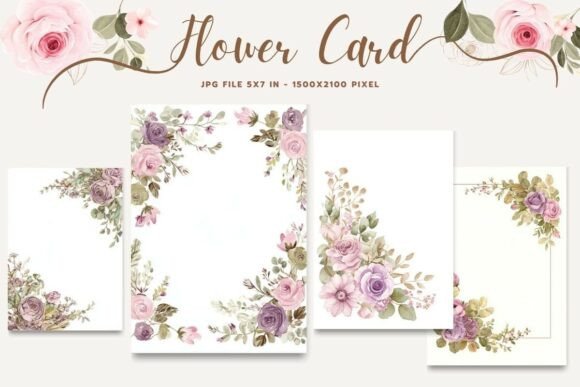
As a designer who has spent years turning digital concepts into tangible, stitched reality, I approach every new asset with a mix of excitement and skepticism. The market is flooded with graphics, but very few translate seamlessly into the world of machine embroidery design. Today, I am evaluating a specific listing titled Flower Card Floral Greeting Postcard_24. This is not a standard SVG file you might find in a vector pack; it is a set of four high-resolution JPG files intended for visual reference or digitizing workflows. My goal here is to determine if this design holds up when moved from a screen to a needle, specifically for those of us running small shops or creating bespoke gifts.
The First Impression: Mood and Visual Personality
When I first opened the preview images for Flower Card Floral Greeting Postcard_24, the immediate feeling was one of quiet elegance. It does not scream for attention like a bold logo might; instead, it whispers sophistication. The layout suggests a classic greeting card aesthetic, which translates beautifully to textile applications. For an embroidery project focused on personalization, this design offers a balanced composition that feels timeless rather than trendy.
The floral theme is executed with a softness that works exceptionally well for feminine-coded products. Whether you are looking at a nursery wall hanging or a boutique gift bag, the mood fits perfectly. However, because these are provided as high-resolution JPGs rather than stitch data, the "personality" of the design depends entirely on how you interpret the lines during the digitizing phase. If you plan to use this as a visual guide to create your own digital embroidery file, you will need to pay close attention to the negative space. The current layout relies on clean lines, which means any distortion during resizing could compromise the delicate balance of the flowers and text.
Real-World Application: From Screen to Stitch
I recently simulated using Flower Card Floral Greeting Postcard_24 for a custom order involving personalized aprons for a local coffee shop. This scenario highlights exactly where this design shines and where it requires caution. In this context, the design serves as a central focal point on the chest area of the garment. Because the listing notes that you can resize the file to fit the exact substrate, the flexibility is a major plus for a craft business owner dealing with varied inventory.
Imagine applying this to a canvas tote bag. The high resolution ensures that when you trace the lines onto a stabilizer, the details remain crisp. The floral elements would likely render well in a combination of satin stitch for the outlines and fill stitch for the petals, creating a lush texture that elevates a simple cotton tote into a premium handmade product. Similarly, for a baby item like a onesie or a bib, the soft curves of the flowers avoid the harsh angles that sometimes irritate sensitive skin, making it a safe choice for baby embroidery.
For Etsy sellers and small shop owners, this design is particularly valuable for holiday collections. A Christmas or Valentine's Day collection often suffers from generic imagery, but a refined floral card design adds a touch of class. When used on a kitchen towel or a pillow cover, the Flower Card Floral Greeting Postcard_24 motif creates a cohesive brand look. Customers scanning through a shop page will recognize the consistent style, which builds trust and encourages repeat purchases.
Navigating the Challenges: Where Caution is Required
While the design has strong potential, it is not without its pitfalls. One of the most critical factors in commercial embroidery is the relationship between design size and hoop limitations. If you attempt to shrink this design down too much for a cap or a small patch, the intricate details of the flowers may become indistinguishable. The listing mentions that the files are JPGs, meaning there is no inherent stitch density data to rely on. You must manually ensure that the stitch density is appropriate for the fabric you are using.
Textured fabrics present another hurdle. If you are working with a heavy denim jacket or a chunky knit sweater, the flat nature of the original card design might get lost. The contrast between the thread and the fabric texture needs to be carefully managed. On dark fabrics, the design will require a significant underlay or a light-colored thread palette to maintain visibility. Conversely, on thin or stretchy fabrics like jersey, the weight of the stitching required to replicate the card's detail could cause puckering. In these cases, a lighter running stitch variation might be necessary to preserve the integrity of the garment.
Curved surfaces, such as caps or sleeves, also demand extra attention. The rectangular layout of a greeting card does not naturally conform to a curved brim. Without careful digitizing adjustments, the perspective of the flowers could look distorted once stitched. This is why testing on scrap fabric is non-negotiable before committing to a finished product.
Strategic Value for Designers and Entrepreneurs
For those of us in the design assets space, the value of Flower Card Floral Greeting Postcard_24 lies in its versatility as a starting point. It is not just a pattern; it is a visual anchor. When used correctly, it enhances the perceived value of the final item. A customer buying a personalized gift wants to feel that the item is crafted with care. High-quality embroidery that captures the nuance of this floral card design signals professionalism.
Furthermore, this design is excellent for creating printable mockups. Even before the physical stitching begins, having a high-resolution image allows you to visualize the placement on various products. This helps in marketing your services to clients who want to see exactly what their custom apparel will look like. It bridges the gap between digital planning and physical production, saving time and reducing errors.
Practical Notes for Execution
Before you download and start stitching, there are several technical steps you must take to ensure success. First, always test the design on a scrap piece of the same fabric you intend to use. This helps you gauge the thread colors needed to achieve the desired contrast. Second, review the hoop size requirements relative to the resized dimensions of the JPG. If the design is too large for your machine's hoop, you will need to split the file or adjust the scale accordingly.
Check the stabilizer type you are using. For a detailed floral design, a cut-away stabilizer is often superior to tear-away, especially for garments that will undergo frequent washing. Inspect the small details closely; if you are converting this JPG into a digitized file, ensure that tiny corners do not collapse under the pressure of the needle. Finally, confirm the licensing terms. Since this is a digital download, verify whether you are allowed to sell the finished embroidered items commercially or if the license restricts you to personal use only. This distinction is vital for protecting your craft business from legal issues.
In conclusion, Flower Card Floral Greeting Postcard_24 is a thoughtful addition to any designer's toolkit. It offers a blend of elegance and practicality that suits a wide range of projects, from tote bag designs to sophisticated sweatshirt embroidery. By understanding its strengths and respecting its limitations, you can transform these static images into stunning, tactile pieces that customers will cherish. Whether you are a hobbyist maker or a seasoned apparel decorator, this design provides a solid foundation for creating memorable, high-quality goods.