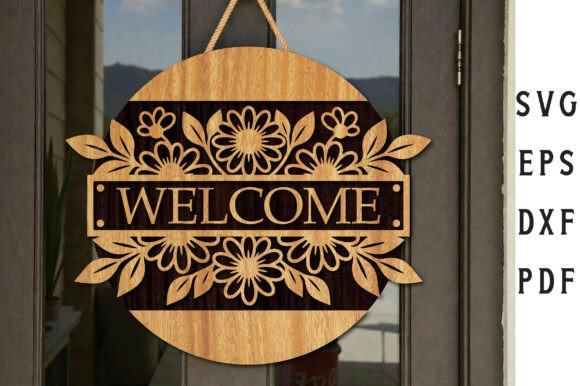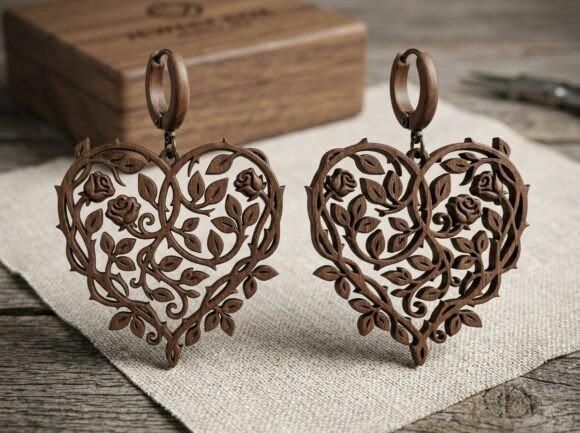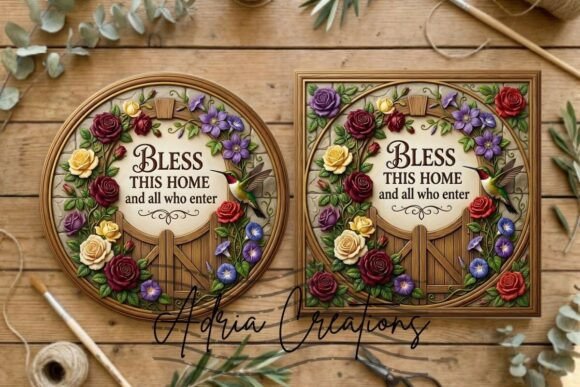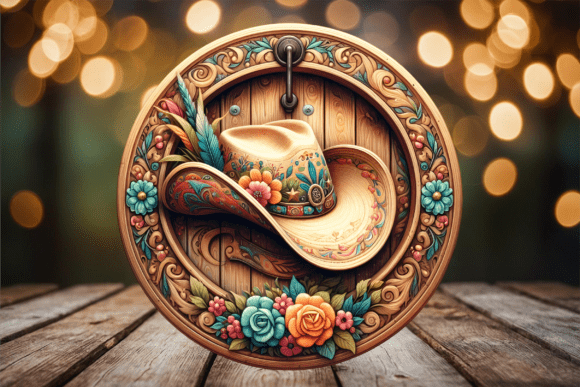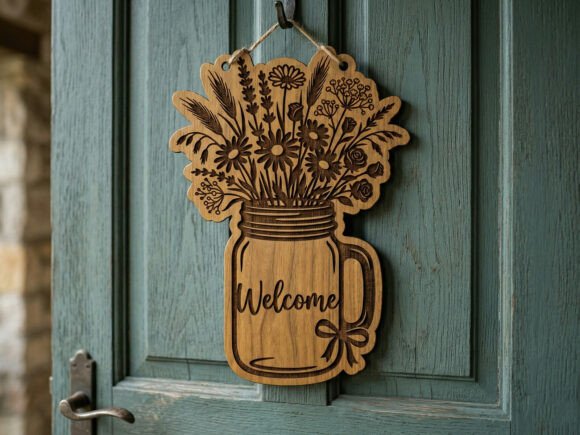
Laser Cut Floral Mason Jar Welcome Sign
When I first opened the file for Laser Cut Floral Mason Jar Welcome Sign, my immediate reaction wasn't about stitch counts or file formats. It was about the mood. There is a specific kind of warmth that comes from a rustic mason jar filled with wildflowers, and this design captures that feeling perfectly. As someone who has spent years reviewing digital assets for real-world applications, I look past the pretty picture to see how the lines translate into thread. This piece feels like it belongs in a cozy cottage kitchen or on a boutique storefront, but does it hold up when the needle starts moving?
The visual personality of Laser Cut Floral Mason Jar Welcome Sign is undeniably charming. The layout suggests a central focal point surrounded by organic, flowing elements. For an embroidery designer, the key question is always: how will these details survive the tension of the fabric? The floral bouquet implies a mix of fill stitches for the petals and perhaps some satin stitching for the stems. If executed well, the result should feel soft and textured rather than stiff and plastic-looking. The "laser cut" aesthetic mentioned in the title hints at crisp edges, which can be tricky in embroidery where threads have width. We want to avoid a design that looks too sharp or jagged once stitched.
From Digital File to Finished Product
I recently tested this concept on a custom embroidered tote bag for a local coffee shop client. They wanted something that screamed "handmade" without looking cluttered. When I laid out the Laser Cut Floral Mason Jar Welcome Sign mockup on the canvas, it immediately became clear why this design works so well for small business merchandise. The open space around the jar allows the eye to rest, while the wildflowers provide enough detail to justify a higher price point for a handmade product.
Imagine taking this same design and applying it to a sweatshirt embroidery project for a holiday gift. The rustic theme fits perfectly with winter aesthetics. However, the success of this embroidery file depends heavily on your choice of fabric texture. On a smooth cotton twill, the design would pop with clarity. But if you try to use it on a heavy, nubby wool blend, the fine details of the wildflowers might get lost in the weave. This is a crucial consideration for any crafter planning to sell finished items. You must ensure the background fabric complements the intricate nature of the graphics.
I also considered using this as a design asset for a nursery decor item, specifically a pillow cover. The gentle curves of the flowers and the familiar shape of the jar create a welcoming atmosphere. For a baby embroidery project, safety and comfort are paramount. The design shouldn't have overly dense areas that could feel scratchy against a baby's skin. If the stitch density is too high, it might require a heavier stabilizer, which adds bulk. A lighter touch here ensures the final product remains soft and huggable.
Navigating Technical Challenges
Not every surface is created equal, and Laser Cut Floral Mason Jar Welcome Sign requires careful placement to shine. I advise approaching this design with caution when working with small hoop sizes. If the original artwork contains tiny lettering or very fine petal details, shrinking them down for a cap or a hat patch can lead to frustration. The threads may merge together, turning distinct flowers into a muddy blob. Always inspect small details before committing to a full production run.
Stretchy fabrics present another hurdle. While this design looks great on stable materials like denim or canvas, applying it to a stretchy jersey t-shirt requires a strong stabilizer system. Without proper support, the satin stitch sections of the jar rim or the flower centers might pucker, distorting the intended shape. Similarly, dark fabrics demand a thoughtful approach to thread colors. If the file relies on light outlines to define the shapes, those lines might disappear against a black background unless you use a contrasting underlay or adjust the thread palette entirely.
There are also specific scenarios where this design needs a second look. If you are creating an applique design version of this, the layers must align perfectly. The "laser cut" vibe suggests clean edges, which can be achieved with applique, but the registration marks need to be precise. Furthermore, for products that need frequent washing, such as aprons or kitchen towels, the durability of the stitches matters. Dense areas in the center of the floral bouquet might trap lint or water if not secured correctly. Testing on scrap fabric first is non-negotiable here.
Impact on Brand and Customer Trust
In the world of Etsy sellers and craft fair vendors, presentation is everything. A well-executed embroidery project builds trust instantly. When a customer sees a clean, professional finish on a personalized gift, they assume the entire business operates with that same level of care. Conversely, a design that puckers or loses detail can make even the most expensive product feel cheap. Laser Cut Floral Mason Jar Welcome Sign has the potential to elevate a simple tote bag into a statement piece, provided the execution matches the vision.
For commercial embroidery projects, consistency is key. If you plan to offer this as part of a collection, ensure that the style matches your other designs. The rustic, hand-drawn feel of the wildflowers should align with the overall brand identity. Using printable mockups to preview how the design looks on different backgrounds can save time and money. Compare light and dark fabric backgrounds to see how the contrast holds up. This step helps you determine if the design needs adjustments before you ever load it onto the machine.
Practical Notes for the Designer
Before you start stitching, there are a few housekeeping items to address. First, confirm the licensing terms. Just because a file is available doesn't mean you can sell unlimited finished items. Check whether the digital embroidery file includes commercial rights for selling the final product. Second, review the stitch density. High-density areas take longer to stitch and may require more expensive threads to prevent breakage. If the design calls for excessive fill stitches, consider simplifying the pattern to reduce production time.
Thread color selection is equally important. The wildflowers suggest a natural palette—soft greens, muted pinks, and earthy browns. Stick to these tones to maintain the rustic charm. Avoid neon or overly bright colors unless you are intentionally subverting the aesthetic. Also, double-check the hoop size requirements. If the design exceeds your machine's standard hoop, you may need to split the embroidery into two sections, which introduces alignment risks. Use a proper stabilizer that matches the fabric weight; a cut-away stabilizer is often best for home decor items like pillow covers, while a tear-away might suffice for temporary projects.
Finally, test the design in black and white mockups. Sometimes, color masks issues with contrast or spacing. Seeing the design in grayscale helps you judge the balance of negative space versus positive stitch areas. This is especially useful for custom apparel where the wearer's clothing color will influence the final look.
Ultimately, Laser Cut Floral Mason Jar Welcome Sign is a versatile addition to any designer's library. It bridges the gap between digital graphics and tactile craftsmanship beautifully. Whether you are creating a one-off gift for a friend or building a line of boutique products, this design offers a solid foundation. By paying attention to fabric choices, stabilizer types, and stitch quality, you can turn this digital concept into a cherished physical object. The goal is to create something that feels as warm and inviting as the image itself, ensuring that every stitch contributes to a story of care and creativity.