Flower Card Floral Greeting Postcard_12 Review
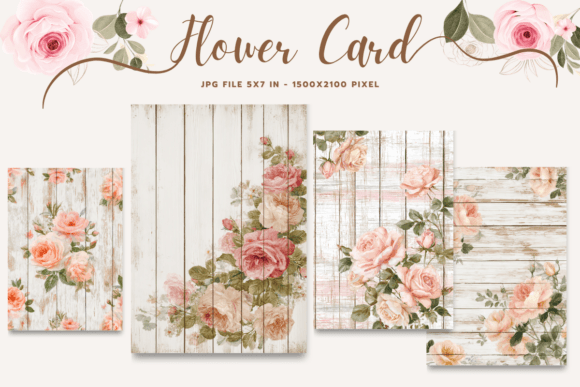
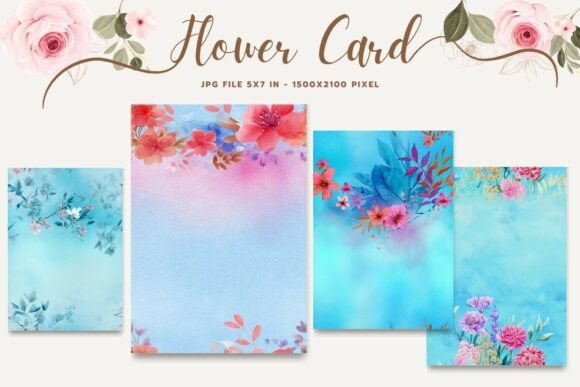
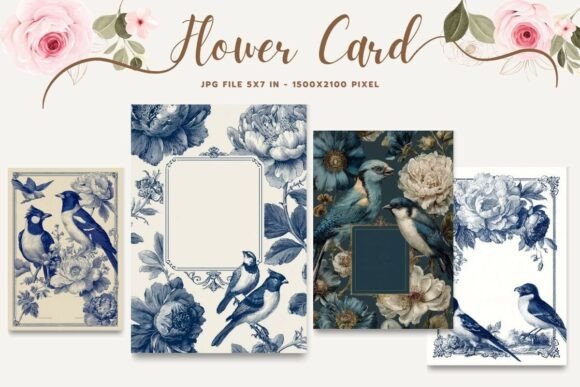
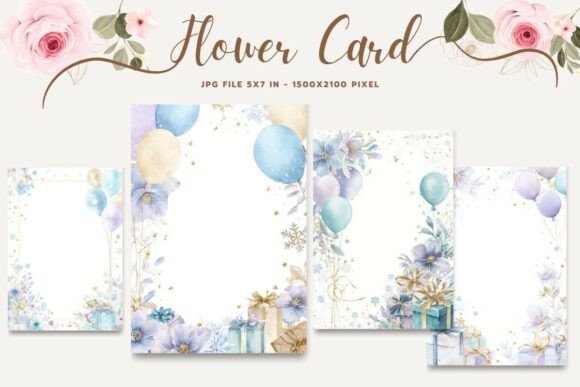
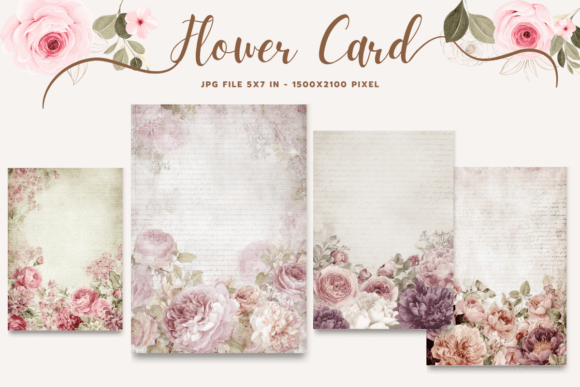
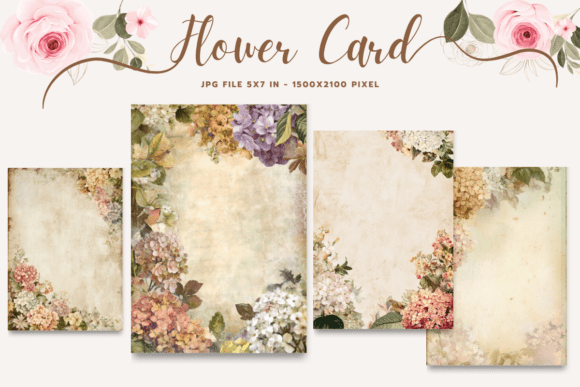
When I first opened the folder for Flower Card Floral Greeting Postcard_12, my immediate thought wasn't about the file format, but about where this design would live in a finished piece. As someone who has stitched hundreds of designs for client work and my own shop, I know that a pretty picture on a screen doesn't always translate to a clean stitch-out. This listing is for a digital download only, providing four high-resolution JPG files rather than an embroidery file or SVG. That distinction is critical. It means you are looking at a visual reference to digitize yourself or use as a mockup, not a direct-to-machine command. Despite that limitation, the composition of Flower Card Floral Greeting Postcard_12 offers genuine value for anyone in the crafts and graphics space who understands the nuances of translating 2D art into textured thread.
The Mood and Visual Personality
The first impression of this design is one of soft elegance. The layout suggests a classic greeting card aesthetic, which immediately signals its best use case: stationary-inspired home decor or personal gifts. The floral theme isn't chaotic; it feels curated, likely relying on a mix of satin stitches for outlines and fill stitches for the petals. If you are planning to create a handmade product line, this design fits perfectly with brands that lean towards rustic, shabby chic, or modern botanical styles. It has a "hand-drawn" quality that appeals to customers looking for something unique rather than mass-produced.
However, because these are JPGs, the true test lies in how you interpret the details. The lines appear delicate, which is excellent for a boutique feel but risky if you plan to embroider them without proper scaling. The visual personality of Flower Card Floral Greeting Postcard_12 is inviting and warm, making it an ideal candidate for baby items, nursery decor, or wedding favors where a gentle touch is required.
Real-World Application: From Screen to Stitch
Let's imagine a real scenario. You are an Etsy seller preparing inventory for the upcoming holiday season. You want to create a set of custom embroidered kitchen towels featuring a seasonal floral motif. You pull up Flower Card Floral Greeting Postcard_12 as your inspiration. Because the listing specifies that you can resize the file to fit your substrate, you decide to scale the image down to fit a standard 4x4 hoop area on a tea towel.
In this context, the design shines. A kitchen towel made from cotton duck or linen provides a stable surface that can handle the density of a floral pattern. When you digitize this JPG into a machine embroidery design, the flower centers would likely require a tight fill stitch to prevent the fabric from showing through, while the leaves might use a running stitch to add texture. If you were to use this on a tote bag design, the large canvas allows for more detail, turning a simple greeting card concept into a statement piece. Customers browsing your shop would see the finished product and appreciate the artisanal look, boosting their trust in your brand.
I also envision this working beautifully on a sweatshirt embroidery project for a cozy winter collection. Placing the floral motif on the chest of a heather grey hoodie creates a subtle, sophisticated contrast. The key here is the thread color selection. Since we don't have the original vector data, you must be careful with color choices to ensure the design pops against the fabric texture. For a commercial embroidery project like branded aprons for a local bakery, this design adds a personal touch that generic logos cannot achieve.
Where Caution is Required
While the potential is high, there are specific scenarios where Flower Card Floral Greeting Postcard_12 requires careful handling. First, consider small hoop sizes. If you attempt to stitch this on a tiny patch or a cap front panel without adjusting the scale, the details may become muddy. Satin stitches on curves need enough space to lay flat; if the design is too dense for the available hoop size, the edges will pucker, ruining the professional finish.
Textured fabrics present another challenge. If you try to embroider this on a chunky knit sweater or a rough burlap sack, the needle may struggle to penetrate evenly, leading to skipped stitches or uneven coverage. Similarly, thin or stretchy fabrics like jersey t-shirts or silk scarves demand a stabilizer strategy that goes beyond standard cut-away. Without the right support, the tension of the fill stitches could distort the fabric, making the finished product look unprofessional.
Dense stitch areas are particularly tricky when working with dark fabrics. If the underlying design relies on light colors to define the flowers, stitching over a black background might result in poor visibility unless you use underlay techniques effectively. Additionally, if you are creating a layered garment, such as a vest over a shirt, the weight of the embroidery might cause the layers to shift or bunch up during wear. Always inspect small details before committing to a full production run.
Impact on Product Value and Brand Consistency
Using a well-composed design like Flower Card Floral Greeting Postcard_12 significantly elevates the perceived value of your handmade products. In the world of craft business, presentation is everything. A customer buying a personalized gift expects a level of care that reflects the effort put into the item. When the stitching is clean and the design is properly scaled, it signals professionalism.
This design asset is versatile enough to serve as a printable mockup for your online store. Even though it is a JPG, you can place it onto digital images of tote bags or pillows to show potential buyers what the final product looks like. This helps in buyer engagement, allowing customers to visualize the customization options before they purchase. However, remember that consistency is key. If you mix this floral style with overly geometric or industrial designs in your shop, it might confuse your brand identity. Stick to themes that complement the organic, friendly vibe of Flower Card Floral Greeting Postcard_12.
Practical Designer Notes for Success
Before you start stitching, follow these practical steps to ensure your project succeeds:
- Test on scrap fabric first: Never use your best material for the first run. Check how the design behaves on a similar fabric type to gauge tension and stability.
- Review stitch density: Since you are working from a JPG, estimate the density visually. If the petals look crowded in the image, reduce the stitch count in your digitizing software to prevent puckering.
- Check thread color contrast: Ensure your chosen threads stand out against your fabric. Light flowers on dark fabric need bright, opaque threads to avoid a washed-out look.
- Confirm hoop size: Make sure the design dimensions fit comfortably within your machine's hoop, leaving room for fabric grip.
- Use proper stabilizer: For heavy fill stitches, a cut-away stabilizer is often necessary to maintain the shape of the embroidery over time.
- Inspect licensing: Verify the terms of the digital download. Confirm whether you are allowed to sell finished items made from this design or if it is strictly for personal use.
Finally, test the design in black and white mockups. Sometimes, color distractions hide structural issues in the layout. By converting the image to grayscale, you can better assess the balance of the design and ensure that the negative space is utilized correctly.
In conclusion, Flower Card Floral Greeting Postcard_12 is a strong candidate for any crafter or designer looking to add a touch of floral charm to their projects. Whether you are creating a holiday gift for a loved one or developing a new line of boutique products, this design offers a solid foundation. Just remember that because it is provided as a graphic file, the success of your final product depends entirely on your skill in interpreting and digitizing the image. With the right technique, Flower Card Floral Greeting Postcard_12 can transform from a simple JPEG into a stunning piece of wearable art.