Floral Fawn Woodland Animal Door Sign Review
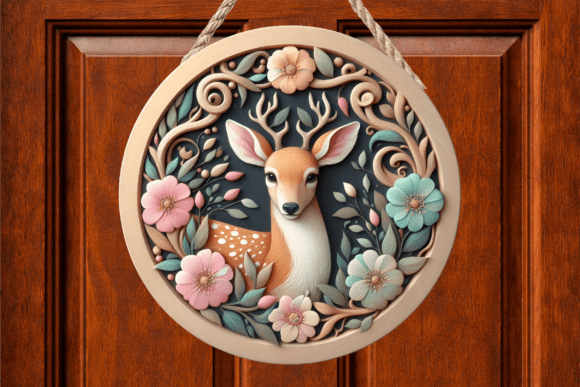
When I first opened the files for the Floral Fawn Woodland Animal Door Sign, my initial reaction was a mix of curiosity and practical skepticism. As someone who has spent years turning digital graphics into stitched reality, I know that a pretty image on a screen does not always translate to a clean stitch-out. This listing is categorized under Crafts and Graphics, but for an embroidery designer, the true value lies in how the design behaves when the needle hits the fabric. The concept is undeniably charming: a round door sign featuring a fawn nestled among florals. It screams "cozy cottagecore," which is a massive trend right now, but the execution is what matters most.
The layout feels balanced, with the circular motif offering a natural focal point. In the world of machine embroidery, circular designs can be tricky because they often require careful hooping to avoid distortion, especially on curved surfaces like caps or rounded tote bags. However, this specific design seems to have a clear hierarchy. The fawn acts as the anchor, while the surrounding floral elements provide texture without overwhelming the center. If you are planning to use this for a custom sweatshirt or a baby onesie, the visual weight is perfect—it draws the eye immediately but doesn't look cluttered even from a distance.
Real-World Application: From Screen to Stitch
Let's talk about a real scenario. Imagine you are prepping for a holiday craft fair and need to produce a batch of personalized aprons for a boutique client. You decide to feature the Floral Fawn Woodland Animal Door Sign on the bib of the apron. The mood it sets is warm and inviting, suggesting a home where baking and gardening are daily rituals. But here is where the rubber meets the road: how will the satin stitches hold up against the friction of kitchen work?
If you are using this design for a finished product like a kitchen towel or a pillow cover, the density of the fill stitches becomes critical. A well-executed version of this file should offer a smooth surface that resists snagging, yet retains enough texture to show off the thread colors. I found myself wondering if the floral details would get lost on a dark fabric background. For commercial embroidery projects, contrast is king. On a cream or light linen apron, the fawn would pop beautifully, creating a high-end look that justifies a premium price point. However, on a navy blue cotton blend, you might lose some of the delicate petal details unless you adjust your thread palette carefully.
I also considered using this for a custom embroidered patch. The round shape is ideal for patches, but the intricate corners of the floral border could pose a challenge during trimming. If you are an Etsy seller looking to create unique accessories, this design works wonders for small shop products like tote bag designs or cap embroidery. The woodland theme appeals strongly to parents looking for nursery decor or baby items. A soft, pastel version of this design stitched onto a muslin blanket or a baby hat would make for a heartfelt personalized gift that stands out in a crowded marketplace.
Navigating Technical Challenges
No design is without its pitfalls, and the Floral Fawn Woodland Animal Door Sign requires a bit of strategic planning depending on your equipment and materials. One area to watch closely is the hoop size. If you attempt to stitch this on a smaller 4x4 hoop, you risk cutting off parts of the circular border or forcing the fabric into a tight curve that distorts the stitching. Always confirm your hoop size before starting. If the design exceeds your machine's capacity, you may need to split the file or resize it, though resizing can sometimes ruin the aspect ratio of the fawn's face.
Fabric texture plays a huge role in the final aesthetic. This design relies on clean lines and distinct shapes. If you try to apply it to a highly textured fabric like a chunky knit sweater or a fuzzy fleece, the definition of the fawn's features might get swallowed by the nap of the material. Similarly, thin fabrics like sheer curtains or lightweight polyester blends require excellent stabilizer support. Without the right backing, the tension of the running stitch and satin stitch could cause puckering, ruining the professional look of your handmade product.
For stretchy fabrics, such as those used for t-shirts or hoodies, you must ensure you are using a tear-away or cut-away stabilizer that matches the stretch of the garment. The round nature of the door sign means that if the fabric stretches during wear, the circle could turn into an oval, throwing off the entire composition. This is why testing on scrap fabric first is non-negotiable. It allows you to check thread color contrast and inspect small details like the eyes of the fawn or the tips of the leaves.
Designing for Value and Trust
In the competitive world of handmade goods, the quality of your embroidery speaks volumes about your brand consistency. A crisp, well-stitched version of the Floral Fawn Woodland Animal Door Sign elevates a simple item into a luxury piece. Customers can tell the difference between a rushed job and one where the stitch density was respected. When buyers see a design that sits flat and looks intentional, their trust in your craftsmanship increases. This is particularly important for commercial embroidery projects where you are selling finished items at a markup.
The versatility of this design asset also makes it a strong candidate for printable mockups. Before you commit to mass production, you can use the digital file to create realistic previews for your online store. Seeing the design on a white tote bag versus a rustic wooden door sign helps potential customers visualize the final product. This transparency drives engagement and reduces return rates. Furthermore, the woodland theme has broad appeal, making it suitable for various occasions, from spring holidays to year-round nursery accents.
However, there are limitations. If you are planning to sell these as digital embroidery files yourself, you must verify the licensing terms provided in the original listing. Some creators restrict commercial use, meaning you cannot stitch and sell the physical items without purchasing a separate license. Always read the fine print regarding the digital embroidery file rights. Additionally, be cautious with dense stitch areas; too much thread in one spot can make the fabric stiff and uncomfortable, especially for baby clothing or items worn close to the skin.
Final Thoughts for the Creative Entrepreneur
The Floral Fawn Woodland Animal Door Sign is more than just a cute graphic; it is a versatile tool for any crafter or small business owner looking to add a touch of whimsy to their inventory. Whether you are creating a holiday gift for a neighbor or building a line of boutique branding for a local shop, this design offers a solid foundation. It captures a specific mood—whimsical, natural, and welcoming—that resonates deeply with today's market.
To get the best results, treat every project with respect. Use proper stabilizer, test your thread colors against your fabric texture, and don't rush the setup. If you take the time to understand how the design interacts with different materials, you will end up with a finished product that not only looks beautiful but feels durable and professional. For those of us in the crafting community, that attention to detail is what turns a hobby into a thriving business. Just remember to keep your expectations grounded in the technical realities of embroidery, and you will find that this design is a valuable addition to your collection of design assets.