Vintage Floral Corner Review: A Designer's Real-World Test
I have spent years reviewing machine embroidery design assets, sifting through thousands of digital files to find those rare gems that actually translate well from a screen to fabric. When I first encountered the Vintage Floral Corner bundle, my initial reaction wasn't just about how pretty it looked in a preview window; it was about whether it could survive the rigors of a real production run for a small business owner or a dedicated crafter.
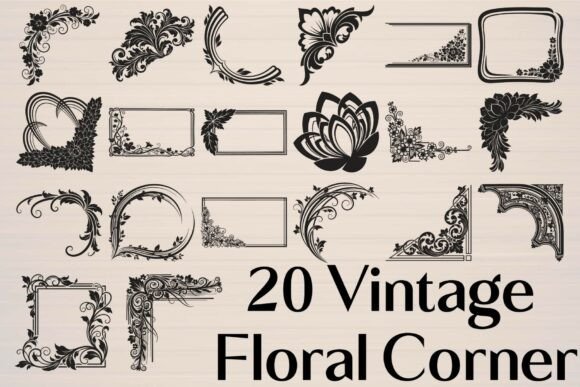
This collection of 20 ornamental corners and decorative borders is categorized under Crafts and Graphics, but let's be honest: if you are buying this, you aren't looking at it as a flat image. You are looking at it as a potential revenue stream for your Etsy shop, a custom gift for a client, or the finishing touch on a handmade apron. The question is simple: does the Vintage Floral Corner hold up when the needle starts moving?
The First Stitch: Visual Personality and Mood
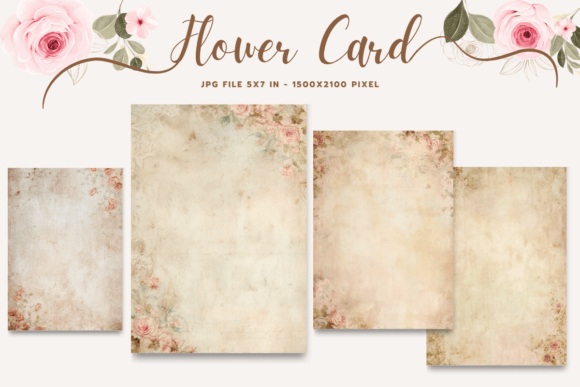
The moment I unboxed the digital files for the Vintage Floral Corner set, the mood was immediately established. These aren't modern, geometric, or minimalist designs. They possess a distinct romanticism and elegance that screams "heirloom." The layout features intricate floral motifs that curl gracefully into corners, creating a frame that feels organic rather than forced. For a designer, this visual personality is crucial because it dictates where the design belongs.
In a sea of generic logos and bold text-based embroidery, the Vintage Floral Corner offers a sophisticated alternative. It suggests a slower pace, a connection to tradition, and a high level of craftsmanship. This isn't a design for a gym shirt or a fast-fashion item; it is built for projects that demand a sense of history and care. The detail level is impressive, with fine lines that promise a delicate finish, provided the stitching density is managed correctly. It creates an immediate impression of quality that can elevate a simple tote bag into a boutique-worthy accessory.
Real-World Application: From Digital File to Finished Product
To truly test the viability of this design, I imagined a specific scenario: a custom order for a local boutique owner who wanted to launch a line of embroidered kitchen towels and baby bibs. The goal was to create a cohesive brand identity that felt warm and welcoming. This is where the Vintage Floral Corner shines.
Imagine placing one of these corner elements on the bottom right of a white tea towel. The curve of the floral border naturally draws the eye toward the center without overwhelming the space. When stitched onto the fabric, the design acts as a subtle anchor. It frames the personalized name or a simple monogram perfectly. For a sweatshirt, using these corners as a motif on the cuffs or hemline adds a layer of detail that makes the garment feel custom-made rather than mass-produced. The versatility here is significant; it works beautifully as a standalone accent on a pillow cover or as part of a larger composition on a quilt block.
For the Etsy seller or craft fair vendor, this design asset offers a tangible value proposition. Customers can see the difference between a plain product and one adorned with the Vintage Floral Corner. The intricate details suggest a higher price point and justify the cost of a handmade item. It transforms a standard piece of merchandise into a personalized gift that feels thoughtful and unique. Whether it is for a holiday project or a wedding favor, the vintage aesthetic resonates with buyers who appreciate artisanal quality.
Where Caution is Required: Technical Limitations
However, as an experienced reviewer, I must emphasize that beauty in a file does not always guarantee ease of execution. There are specific scenarios where the Vintage Floral Corner requires careful consideration. The primary concern lies in the stitch density and the size of the details.
If you attempt to use this design on a small hoop size, such as a 4x4 inch area intended for a cap or a small baby bonnet, you may run into issues. The fine lines of the vintage florals might become too crowded, leading to thread breaks or a muddy appearance where colors bleed into each other. Similarly, on textured fabrics like terry cloth or heavy denim, the sharp definition of the satin stitches might get lost in the weave of the material. Thin or stretchy fabrics present another challenge; without proper stabilizer support, the tension required to pull off these detailed corners could cause the fabric to pucker significantly.
Dense stitch areas within the floral clusters need to be reviewed closely. If the design relies heavily on fill stitches in a tight radius, the resulting texture might be too stiff for something like a soft baby blanket or a wearable patch. Furthermore, on dark fabrics, the contrast of light-colored threads used in the original preview might not be visible enough unless you swap out the thread colors entirely. It is vital to remember that what looks crisp on a monitor can look different once the thread interacts with the fabric texture.
Impact on Brand and Customer Trust
The choice of design directly influences customer trust and perceived value. A sloppy execution of a complex design like the Vintage Floral Corner can ruin the professional look of a finished product. Conversely, a clean stitch job elevates the entire brand. When a customer receives a personalized gift featuring these elegant corners, they associate the design with the maker's skill. It signals attention to detail and a commitment to quality.
For commercial embroidery projects, consistency is key. Using the Vintage Floral Corner across multiple products—like matching tote bags, aprons, and patches—creates a recognizable brand language. It helps customers identify your work instantly. In the world of digital product sellers, offering high-quality mockups that showcase these corners effectively can drive sales. The design assets serve as a foundation for creating compelling visuals that engage buyers before they even purchase the physical item.
Practical Notes for the Embroidery Designer
Before you hit the "Start" button on your machine, there are several steps you should take to ensure success with the Vintage Floral Corner bundle. First and foremost, always test the design on scrap fabric that matches your final project material. This allows you to check the thread color contrast and inspect how the stitch density handles the curves of the floral elements.
Review the stitch types carefully. Are the outlines done in satin stitch? Do the inner details use running stitch or fill stitch? Understanding the construction helps you anticipate how the design will behave on different surfaces. Confirm the recommended hoop size for each variation in the bundle; forcing a large corner design into a small hoop is a recipe for disaster. Inspect the small details in the digital preview to ensure no tiny elements are missing or broken, which can happen during file conversion.
It is also wise to test the design in black and white mockups to verify the silhouette and flow without the distraction of color. Compare how the design performs on both light and dark backgrounds to determine if you need to adjust thread choices or add underlay. Always use the proper stabilizer for your fabric type to prevent distortion, especially since these corners often span the edge of the design area. Finally, confirm whether the license terms allow for commercial use if you plan to sell the finished items. Verify if you need to purchase additional rights for digital distribution or resale of the design itself.
The Vintage Floral Corner is more than just a graphic; it is a tool for storytelling in thread. By understanding its strengths and respecting its technical limitations, you can create finished products that are not only beautiful but also durable and professionally executed. Whether you are a hobbyist making a gift for a friend or a small shop owner scaling your operations, this design bundle offers a solid foundation for creating memorable, handcrafted items.