Decorative Floral Iron Scroll Design Review
When I first opened the Decorative Floral Iron Scroll Design, my immediate thought wasn't about stitch counts or file formats. It was about the mood it evoked. There is a specific kind of elegance that comes from classic wrought iron craftsmanship, and this bundle captures that aesthetic perfectly. As someone who has spent years evaluating design assets for both personal projects and commercial client work, I look for more than just pretty shapes; I need to know if a design translates well from a screen to a needle.
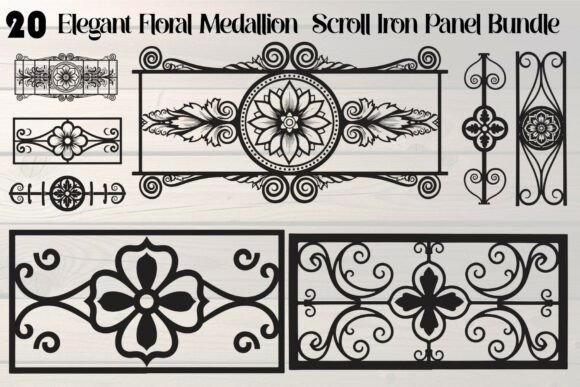
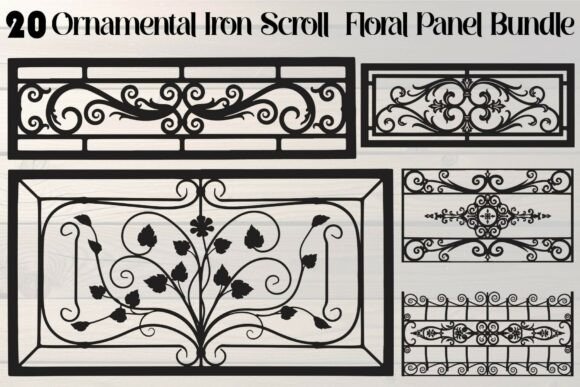
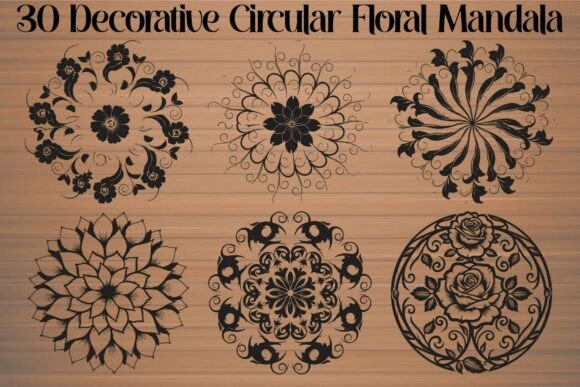
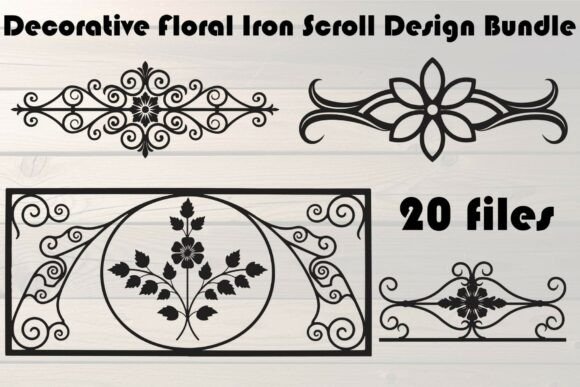
The Decorative Floral Iron Scroll Design brings a sense of timeless sophistication. The intricate floral elements intertwined with scrollwork create a visual rhythm that feels balanced and deliberate. It doesn't scream for attention like some modern graphic styles; instead, it whispers quality. This makes it an ideal candidate for products where subtlety and refinement are key selling points. Whether you are a seasoned embroidery designer looking to expand your catalog or a Etsy seller aiming to elevate your shop's branding, this design offers a versatile foundation for creating high-end handmade goods.
From Digital File to Finished Product: A Real-World Scenario
To truly understand the potential of these files, let's imagine a practical application. Suppose you are preparing a custom order for a boutique kitchen line. You need a sophisticated motif for a set of embroidered aprons and tea towels intended for a holiday gift collection. The client wants something that feels artisanal but isn't overly busy.
I ran the Decorative Floral Iron Scroll Design through my workflow for this exact scenario. The layout of the ornamental panels works beautifully as a border or a central focal point on a towel. When stitched in a deep charcoal thread on a crisp white cotton canvas, the contrast highlights the delicate curves of the scrolls without overwhelming the fabric. The design feels substantial enough to stand up to the texture of a heavy-duty apron yet refined enough to grace a decorative pillow cover. In this context, the design transforms a simple commodity into a perceived luxury item, which is exactly what drives sales in the craft business.
Another strong use case involves baby items. Imagine a personalized onesie or a nursery wall hanging. The soft, flowing lines of the floral scroll add a touch of vintage charm that pairs exceptionally well with pastel colors. However, when testing this for baby embroidery, one must be mindful of the density. If the design is too heavy, it can make the fabric stiff, which is uncomfortable for a baby's skin. This is where the specific execution of the stitch density becomes critical.
Performance Across Different Fabrics and Garments
The versatility of this machine embroidery design is impressive, but it is not without its limitations. The intricate details of the scrollwork demand a certain level of stability from the base material. On stable fabrics like denim, twill, or tightly woven cotton, the satin stitch and fill stitch areas hold their shape beautifully. The definition remains sharp, and the running stitch accents add a nice textural layer that mimics hand-stitched precision.
However, applying this design to stretchy knits requires caution. While a sweatshirt embroidery project might seem like a natural fit given the cozy aesthetic, the tension required to hold the detailed scrolls in place can cause puckering if the wrong stabilizer is used. For custom apparel made of jersey or lightweight polyester, I would recommend using a cut-away stabilizer rather than a tear-away to ensure the design retains its integrity after washing. Similarly, on dark fabrics, the choice of thread colors is paramount. Lighter threads may get lost in the shadows of the scrollwork unless a sufficient underlay is programmed.
The design also shines on accessories like caps and patches. The curved nature of the scrollwork complements the dome of a cap, provided the hoop size is appropriate. For an embroidered patch, the distinct edges of the floral panel allow for clean trimming, making it a great asset for creating branded merchandise for a small shop product. The design's ability to convey a sense of history and tradition makes it particularly effective for wedding gifts or anniversary keepsakes, where emotional value is tied to the visual presentation.
Where to Exercise Caution
While the Decorative Floral Iron Scroll Design is robust, there are specific scenarios where it might struggle. Small hoop sizes can sometimes compromise the clarity of the finest details. If you attempt to digitize this for a very small area, such as a cuff or a tiny pocket logo, the intricate flourishes may merge together, losing their individual character. In these cases, the design might appear muddy rather than elegant.
Textured fabrics pose another challenge. On materials like fleece or heavy bouclé, the definition of the scrollwork can be obscured by the surface nap. Furthermore, while the design looks stunning on flat surfaces, applying it to curved surfaces like a baseball cap requires precise placement to avoid distortion at the corners. Dense stitch areas, if not properly managed, can lead to thread breaks or difficulty in hooping, especially if the user does not have access to high-density needles or specialized threads.
For products that require frequent washing, such as workwear or children's clothing, the longevity of the design depends heavily on the initial setup. The embroidery project must be stabilized correctly to prevent the dense fill stitches from pulling the fabric over time. Without proper care, even the most beautiful design can degrade visually after a few cycles in the wash.
Practical Notes for the Professional Designer
Before committing to a full production run or listing a finished item on your online store, there are several steps every digital product seller should take. First and foremost, always test the design on scrap fabric that matches your final material. This allows you to see how the fabric texture interacts with the stitches and whether the density needs adjustment.
Reviewing the stitch count and density is non-negotiable. If the design feels too heavy for the intended garment, consider simplifying the fill areas or adjusting the angle of the satin columns. Confirming the hoop size is essential to ensure the entire design fits within the machine's reach without needing to re-hoop, which can misalign the pattern. Inspect small details closely; sometimes, fine lines can disappear entirely if the thread color lacks sufficient contrast against the background.
It is also wise to test the design in black and white mockups before stitching. This helps visualize the balance between light and dark areas, ensuring that the design reads clearly regardless of the thread palette. Additionally, check whether the design works for both personal and commercial projects. Licensing terms vary, and as a creative entrepreneur, you must confirm that you are allowed to sell finished items created with these graphics. Always verify the license agreement before using the files in a commercial embroidery capacity.
Finally, when creating printable mockups for your listings, ensure the rendering accurately reflects the depth and texture of the embroidery. A flat image can mislead customers, leading to returns and negative reviews. By taking the time to present the finished product realistically, you build trust and demonstrate professionalism.
In conclusion, the Decorative Floral Iron Scroll Design is a valuable addition to any library of graphics and design assets. Its blend of classic beauty and structural integrity makes it suitable for a wide range of applications, from tote bag design to holiday embroidery. With careful planning and attention to detail, this design can help elevate your craft business and deliver exceptional results for your clients.